Introduction
Are you dreaming of a workshop that not only looks great but functions like a well-oiled machine? You’re in the right place! Whether you’re an avid DIYer, a professional woodworker, or just someone who enjoys tinkering with various projects, crafting the perfect space is essential to maximizing your creativity and productivity. In this comprehensive guide, we'll dive into the nitty-gritty of designing a functional workshop that meets your needs and aspirations. From choosing the right location to selecting materials like pole barns, every detail counts! So roll up your sleeves and let’s get started.
Crafting the Perfect Space: Tips for Designing a Functional Workshop
Creating a workshop isn't just about throwing together some tools and calling it a day. It's about creating an environment tailored to your specific needs. Here’s how to get started:
1. Defining Your Workshop Purpose
Before you can create your dream workspace, you need to define its purpose. What will you primarily be doing in this workshop? Will it be woodworking, metalworking, electronics, or perhaps sewing?
1.1 Identifying Your Primary Activities
Understanding what activities you'll engage in allows you to focus on essential features. For instance:
- If you're woodworking, you'll need ample storage for lumber and tools. If you're working with electronics, consider investing in anti-static flooring.
2. Choosing the Right Location
Location is everything! A well-placed workshop can significantly impact your workflow.
2.1 Garage vs. Outdoor Structures
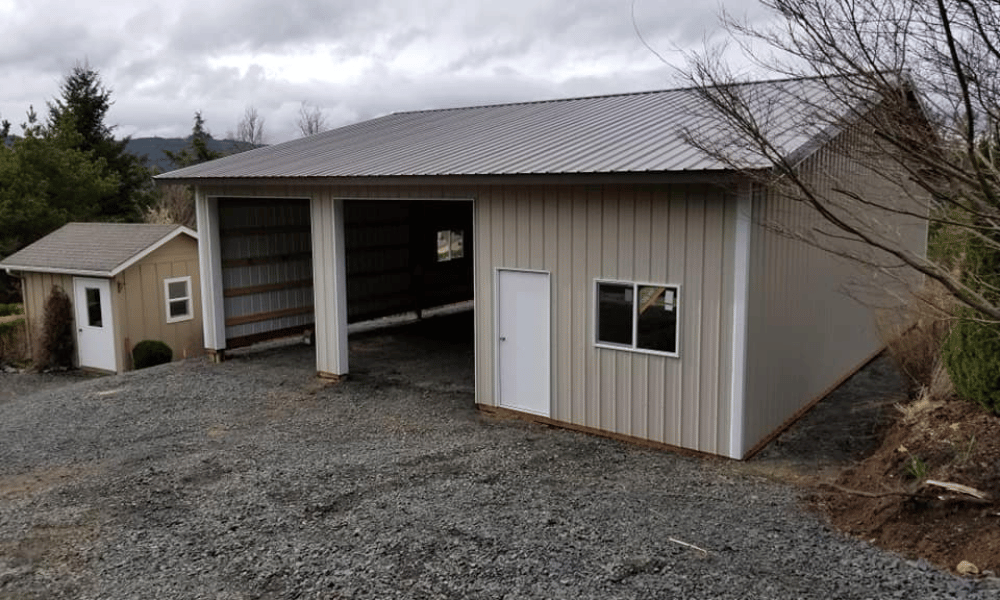
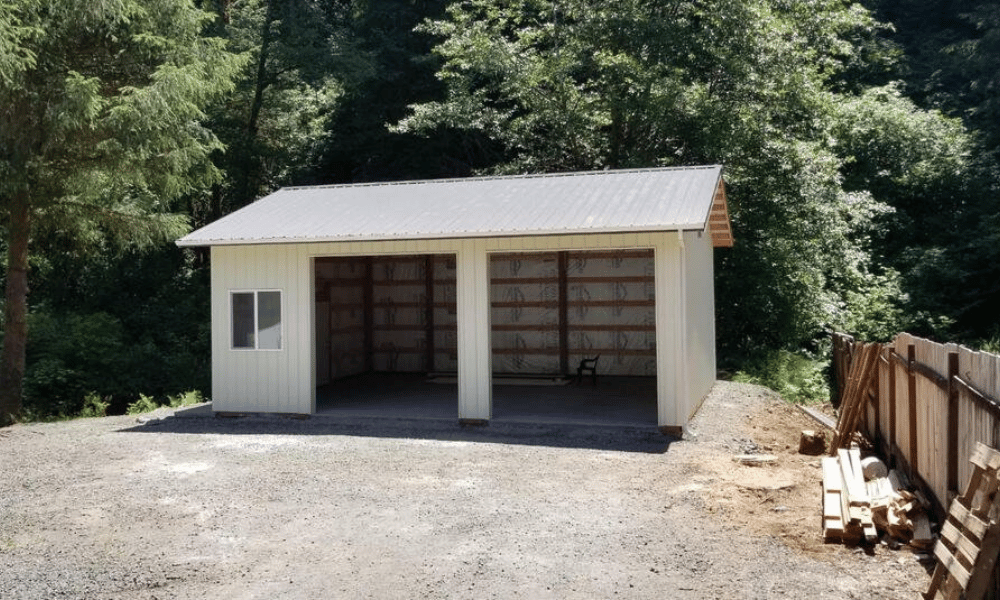
Many opt for converting their garage into a workshop; however, outdoor structures like pole barns offer unique benefits:
- More space Customizability Separation from home distractions
3. Space Planning Essentials
Once you've selected a location, it's time to plan out how you'll use the space effectively.
3.1 Layout Design Principles
Think about these layout design principles:
- Workflow efficiency: Keep frequently used tools within arm's reach. Zoning: Separate areas for different processes or materials.
3.2 Creating Work Zones
Designate specific zones based on activities:
- Cutting area Assembly zone Finishing station
4. Selecting Workshop Materials
Choosing high-quality materials not only enhances durability but also ensures safety.
4.1 The Role of Pole Barns in Workshops
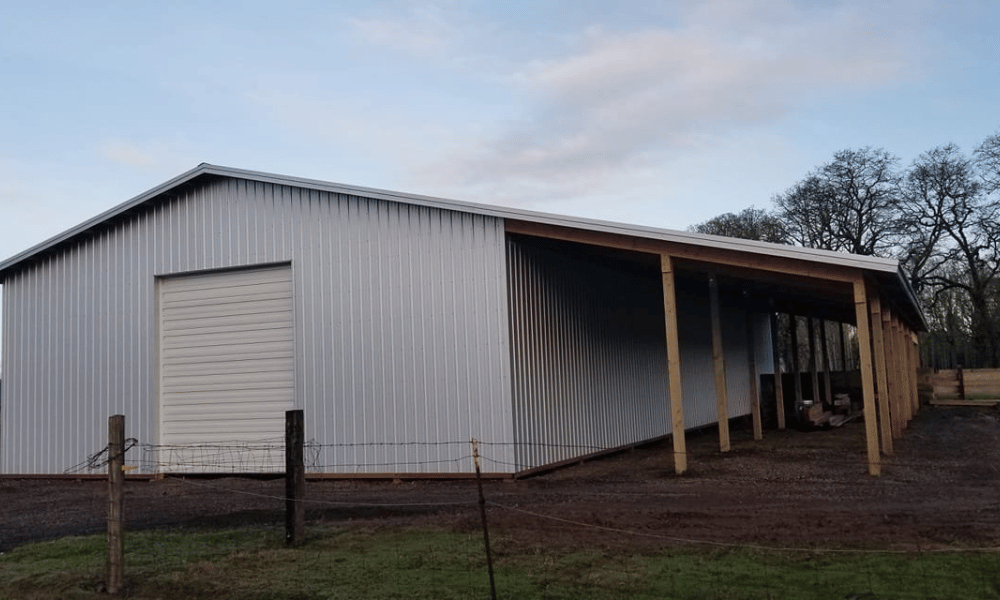
If you're considering building from scratch or expanding existing structures, think about using pole barns:
- Cost-effective building method Excellent insulation options Versatile designs adaptable to various needs
5. Essential Tools and Equipment
No workshop is complete without the right set of tools!
5.1 Must-Have Tools for Every Workshop
Here’s a handy list of essential tools to consider adding:
- Table saw Drill press Workbench
5.2 Specialty Tools Based on Your Craft
Depending on your primary activity, consider specialty tools:
- CNC machines for advanced woodworking Welding equipment for metal projects
6. Lighting and Ventilation Considerations
Light and air quality can make or break your workshop experience.
6.1 Natural Light vs Artificial Lighting
Maximize natural light wherever possible but supplement it with bright artificial lighting as needed.
6.2 Importance of Good Ventilation
Ensure proper ventilation systems are in place to maintain air quality—especially important if you're working with fumes or dust.
7. Safety First: Building Codes & Regulations
Before starting any construction or renovation project, familiarize yourself with local building codes and regulations.
7.1 Compliance with Safety Standards
From electrical wiring to fire safety measures, adhering to codes protects both you and your investment.
8. Storage Solutions That Work
Adequate storage keeps your workspace organized and efficient.
8.1 Vertical Storage Options
Make use of wall-mounted shelves and pegboards—maximize vertical space!
8.2 Mobile Storage Units
Consider investing in mobile tool carts that allow easy access during projects yet keep items stored away when not in use.
9. Ergonomics in Workshop Design
Don’t forget ergonomic considerations!
9.1 Adjustable Workbenches & Seating Options
Look into adjustable-height workbenches to avoid strain during long days of crafting.
10. Personalizing Your Space with Décor Elements
Your workshop should be more than just functional—it should inspire creativity!
10.1 Utilizing Color Psychology in Design Choices
Color choices can significantly impact mood—consider soothing colors for calmness or vibrant shades for energy boosts!
FAQs About Crafting the Perfect Space: Tips for Designing a Functional Workshop
Q1: What size should my workshop be?
A: The size depends on what you plan to do! A minimum of 200 square feet is ideal for basic DIY tasks; larger spaces are better suited for specialized crafts.
Q2: How much natural light do I need?
A: Opt for plenty! Ideally, at least 10% of your wall area should be dedicated to windows or skylights.
Q3: Are pole barns suitable for workshops?
A: Absolutely! They provide ample http://titusdtlt209.image-perth.org/the-practicality-of-building-a-pole-barn-here-are-the-top-ten-benefits space and versatility while being budget-friendly options compared to traditional builds.
Q4: How can I improve ventilation without spending too much?
A: Use exhaust fans along with openable windows—the combination creates airflow without breaking the bank!
Q5: What are some smart storage solutions?
A: Invest in modular shelving units that adapt as your collection grows; utilize clear bins so you can see contents at a glance!
Q6: Should I include electricity in my workspace?
A: Yes! Ensure sufficient outlets are available throughout; consider installing additional circuits if necessary based on tool requirements.
Conclusion
Crafting the perfect space isn’t simply about aesthetics; it's all about functionality paired with inspiration! By defining your purpose, selecting an ideal location—perhaps even opting for innovative structures like pole barns—you’re setting yourself up for success from day one! Remember, prioritize safety through compliance with regulations while keeping ergonomics at heart during design implementation.
Now it's over to you—what will your dream workshop look like? With careful planning and execution guided by these tips, it’ll surely be functional enough to bring all those creative visions into reality!
Transforming any space takes effort—but boy oh boy—isn't it worth it when you see those ideas come alive? Happy crafting!